Decluttering and Organistional Guide
|

Decluttering a teacher’s room and organizing students’ books can create a more efficient and pleasant learning environment. Here are the top five tips for achieving this: Continue reading…
|
Decluttering a teacher’s room and organizing students’ books can create a more efficient and pleasant learning environment. Here are the top five tips for achieving this: Continue reading…
|

When studying for exams, there are some tips to follow such as;
|
Below are some options suitable for studying:
|

Building confidence in children is essential for their overall well-being and success. Here are five tips to help foster confidence in children: Continue reading…
|

Creating an effective study plan is crucial for efficient learning and achieving your academic goals. Here are five tips to help you craft a study plan that works for you:
|

For parents whose child is undergoing dyslexia assessments, it’s crucial to approach the process with understanding, patience, and advocacy. Here are five tips to help navigate this journey:
|

1.Establish a Distraction-Free Environment: Ensure the student has a quiet, organized study space with minimal distractions. This could mean turning off electronic devices not needed for the task at hand, such as smartphones or TVs, and finding a comfortable, well-lit area to work
|
|

Helping your child build confidence is crucial for their overall well-being and success. Here are five tips to support them in developing confidence:
|
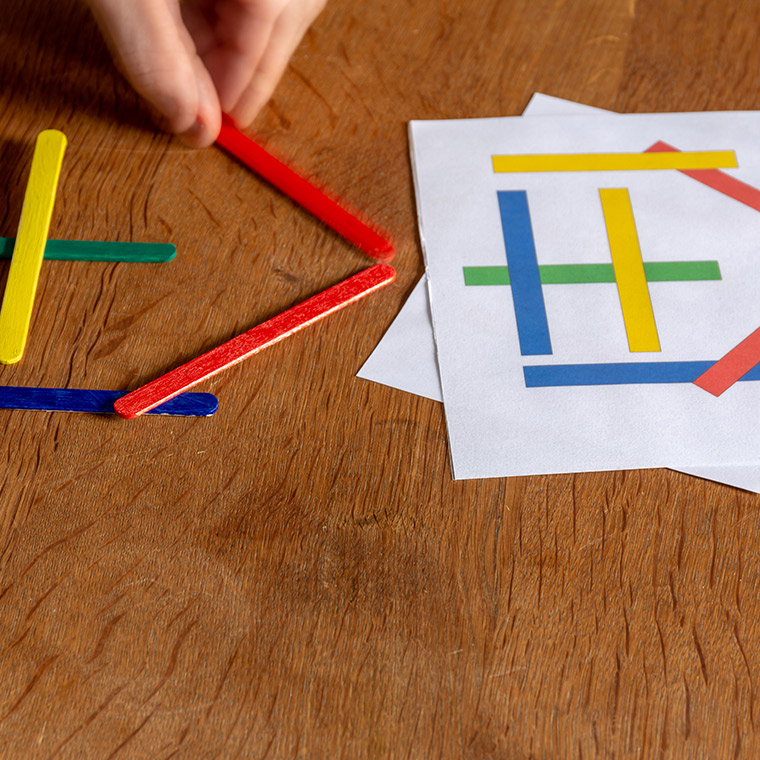
Definition: Sensory processing refers to how the nervous system receives messages from the senses and turns them into appropriate motor and behavioral responses. Continue reading…