
Students with slower processing speeds often need extra time to absorb information, complete tasks, or respond in discussions. This doesn’t reflect their intelligence or understanding—it’s simply a difference in how quickly they can take in and use information.
Continue reading…

Colour-coding is a simple yet powerful strategy to support memory, attention, and organisation in students, particularly those with learning differences. By visually distinguishing information, colour-coding helps students make connections and locate materials more easily, which is especially beneficial for those with dyslexia, ADHD, or executive function difficulties.
Continue reading…
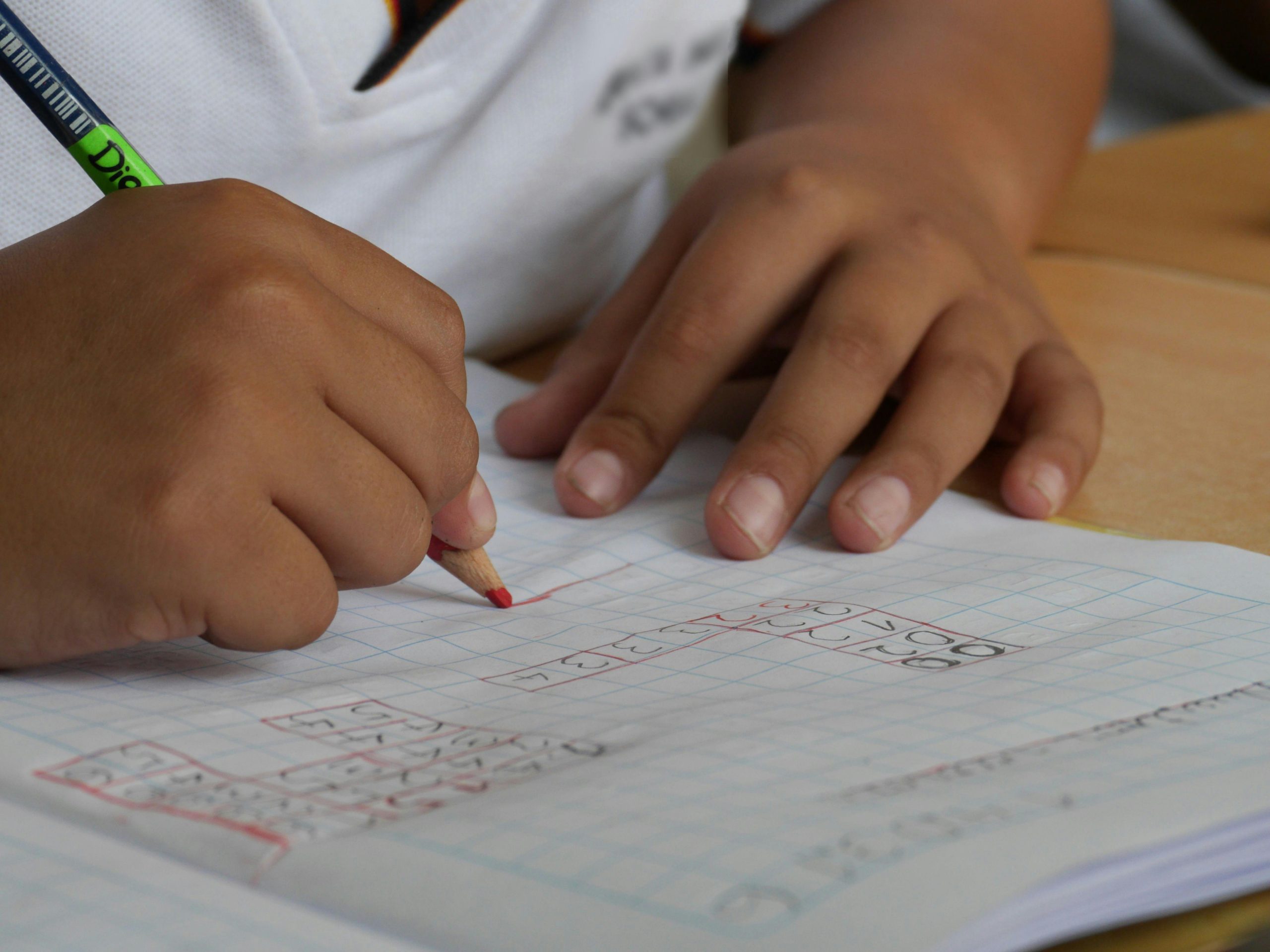
Homework can be a source of stress for many families, especially when a student has learning differences or executive function challenges. Establishing a consistent and supportive homework routine helps create predictability, reduce conflict, and build essential study skills over time. Continue reading…

As digital assessments and remote learning become more prevalent, typing is an essential skill. Typing.com is a free, user-friendly platform designed to teach students how to type efficiently and accurately. For learners who struggle with handwriting, such as those with dysgraphia or fine motor difficulties, typing opens up new possibilities for communication and self-expression.
Why Keyboarding Matters
Continue reading…

Working memory is the ability to hold and manipulate information in the short term, and it’s a crucial skill for academic success. Students with working memory challenges often struggle with multi-step instructions, mental maths, or reading comprehension. Without targeted support, they may fall behind despite having strong reasoning or verbal skills. Continue reading…

Audiobooks have emerged as a powerful tool for making literature more accessible, particularly for students with dyslexia or reading fatigue. Continue reading…

Movement-based learning isn’t just for early years—it benefits students of all ages. Kinesthetic strategies activate the brain through physical engagement, improving attention, memory, and motivation. These techniques are especially useful for students with ADHD, sensory processing difficulties, or high energy levels.
Continue reading…

The right environment can significantly impact a student’s ability to focus, regulate emotions, and retain information. For students with sensory sensitivities, a carefully designed study space is essential. Continue reading…
Who Benefits from Visual Planners?
These tools are especially helpful for:
Continue reading…

Revision is often mistaken for rereading, but true retention comes from active engagement. Whether preparing for exams or embedding everyday learning, students benefit most from strategies that involve retrieval, spacing, and variation not just repetition.
Continue reading…